
Amidon Briefing · Sustainment
October 29, 2026
Keeping a Shoot House Inspection Log After Every Training Day
A turnover inspection documents a new shoot house on the day the government signs for it. From that day forward the structure is fired into, breached, cleaned and reconfigured, and its condition changes with every training event. This briefing walks range managers, facility managers and program offices through an inspection log that turns that change into a record they can act on.
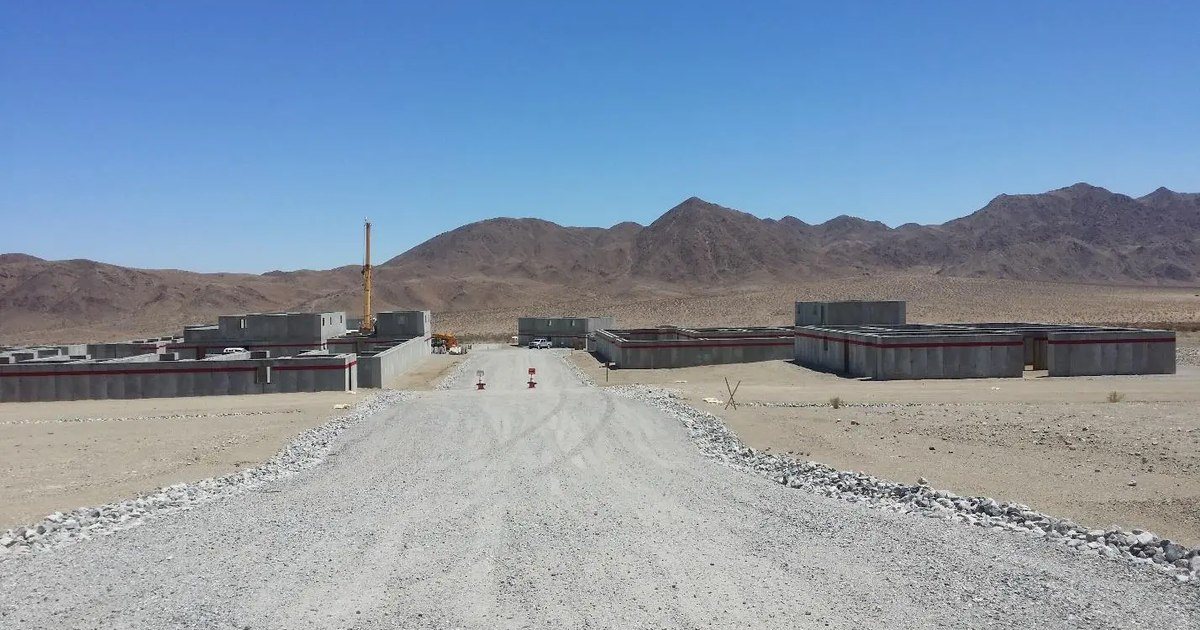
An inspection log does three jobs. It tells range staff what to look at before the next unit arrives. It tells the facility manager when a wall section is approaching a repair decision. And it tells the program office what sustainment the facility actually needs, in evidence rather than estimates. None of that works if entries are loose notes in a binder. It works when every entry ties a condition, a date and a photograph to a fixed location on the structure. The aim is a record in which every wall face, every door and every system has a known condition and a date.
Use the Turnover Package as the Baseline
The log starts from the documentation collected at acceptance: the approved layout, the wall section identifiers, the test documentation for the delivered assembly, the operation and maintenance information, and the photographs taken at turnover. If the structure was delivered without section identifiers, the first task is to assign them. A simple scheme works: a letter for each room or corridor, a number for each wall face, and a number for each panel or bay along that face. Mark the identifiers on the structure where they will survive cleaning, and put the same identifiers on a plan view. Every later entry refers to a location by its identifier, which is what makes entries from different inspectors and different years comparable.
Walk the Facility After Every Training Day
A short post-training walk catches the problems that affect the next unit. Range staff should walk each room used that day and look at the wall faces in the line of fire, the areas around doors and windows, the floor at breach points, and the tops of walls and coping. They should record new impact clusters, chipped or spalled surface material, exposed reinforcement or fasteners, cracks that were not there before, loose or damaged hardware, and any surface linked to a ricochet or splatter report during training. Each entry needs the date, the unit or event, the location identifier, a short description and a photograph with a scale reference. The walk should also confirm that targets, lighting and doors are reset and working. Anything that raises a safety question goes to the range officer before the facility is released for the next event.
Add a Periodic Detailed Inspection
Some changes are slow and do not show in a daily walk. On a set schedule, monthly or quarterly depending on how heavily the facility is used, a detailed inspection should cover every wall face whether or not it was used, every joint and connection between panels or sections, anchors and foundations, roof or catwalk structures, drainage around the site, and systems such as ventilation, lighting controls and video. The periodic inspection is also the time to compare current photographs with the turnover set and the last periodic set, which is how gradual change becomes visible. Schedule it around the training calendar so it does not fall in the middle of a high-use block.
Record Use, Not Just Damage
Damage makes sense only against use. The log should record what was fired in the facility, by cartridge and projectile type, with an estimate of rounds fired by room where training records allow it, along with breaching activity, marking rounds and force-on-force use. Heavy surface wear after a year of rifle training is a different finding from the same wear after a month of pistol qualification. Use records also show which rooms carry most of the training load, which helps when planning reconfiguration or rotating room assignments so wear is spread more evenly. Where the installation already keeps range use data for scheduling, the log should draw from it rather than duplicate it.
Keep Housekeeping in the Same Record
On covered and indoor facilities, housekeeping is part of inspection. The OSHA lead standard for general industry, 29 CFR 1910.1025, requires that all surfaces be maintained as free as practicable of accumulations of lead, does not allow floors and other surfaces where lead accumulates to be cleaned with compressed air, and permits shoveling, sweeping and brushing only where vacuuming or other equally effective methods have been tried and found not to be effective. The log should note when floors, ledges and other horizontal surfaces were cleaned, by what method, and when collected debris was removed under the installation’s procedures. These entries do not replace the installation’s exposure monitoring or occupational health program. They give the facility manager one record showing that the structure and its environment are maintained together.
Use the Log to Make Decisions
A log that is filled in and never read is a filing exercise. The facility manager should review it on a set schedule against defined thresholds: a location that collects repeated entries, damage that reaches the extent the repair procedure addresses, or a crack or connection issue that returns after repair. Each threshold should lead to a defined step, such as a repair using the materials and procedures in the operation and maintenance information, an engineering review, or a replacement request. The Amidon Briefing guides on deciding whether to repair or replace a wall section and on repairing a shoot house wall cover that next step. Over time the log also becomes the evidence behind sustainment budget requests and behind the requirement for the next facility.
A shoot house is accepted once and inspected for the rest of its service life. Programs that log condition, use and repairs against fixed locations know what their facility needs before a training day is lost to it.
Related Reading