
Amidon Briefing · Program Guidance
October 12, 2026
Sequencing Range and Shoot House Projects Through the First Quarter of FY2027
Fiscal year 2027 began on 1 October 2026. For an installation training manager, the first quarter is when next year’s range and shoot house projects are either made ready to execute or left for the fourth-quarter rush. This is a sequence for October, November and December, built around the work that does not need new money.
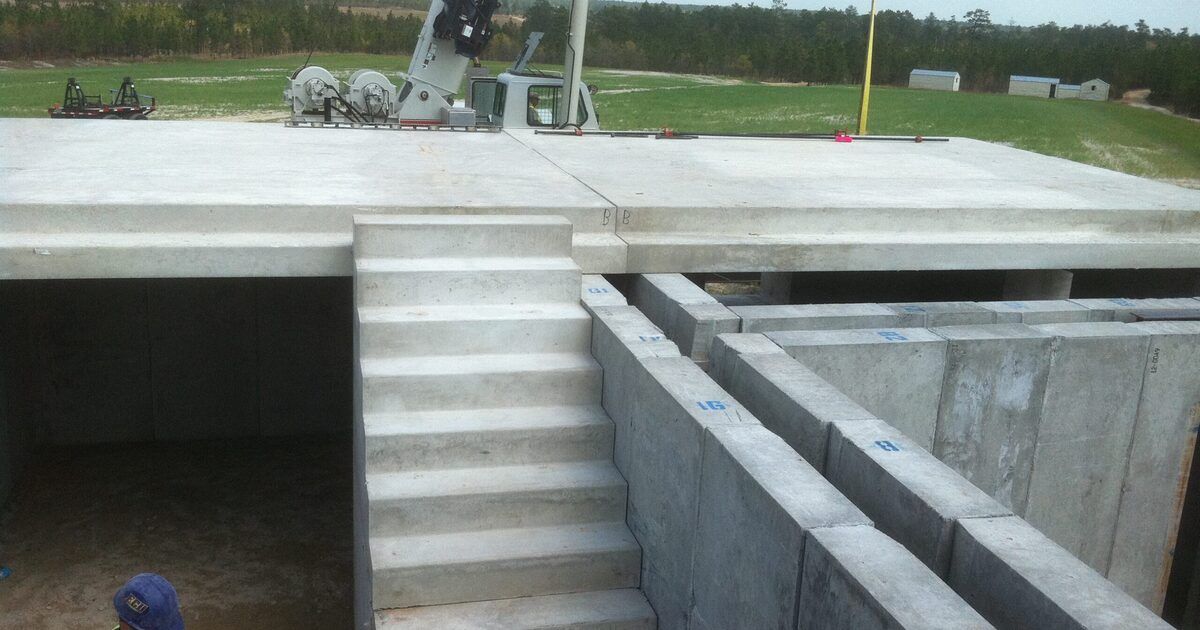
Our earlier briefing on what a continuing resolution does to a training facility project covers the funding rules: what stops, what continues and why. This briefing covers the sequence. Funds release is not the start of an acquisition. It is the point at which a finished package gets executed. The program offices that award quickly once money is available are the ones that used the first quarter to finish everything that could be finished without it.
October: Lock the Requirement
Every later step depends on a requirement that will not move. In the first weeks of the quarter, confirm what the facility must support: the training tasks and unit throughput, the weapons and ammunition to be fired, whether the project is new construction, an addition, a conversion or a repair to an existing structure, and the date the capability is needed. Write it as performance, not product. A requirement that states the threat, the geometry and the use is one that more than one source can respond to. A requirement that describes one supplier’s catalog item narrows competition and invites questions the program office would rather not answer in the fourth quarter.
October to November: Start Market Research Early
Market research is the step most often compressed when a project runs late, and the step that most shapes the acquisition strategy. A sources-sought notice or request for information released in October gives industry several weeks to answer and the program office time to read the answers properly. Ask respondents for a capability statement, relevant past performance on comparable facilities, the test documentation behind any ballistic performance they describe, their socioeconomic status, their production and installation capacity, and their recommended approach to the requirement. The responses tell the contracting officer whether enough capable small businesses exist to support a set-aside, and they surface design questions while there is still time to resolve them.
November: Read the Responses as Design Input
Industry responses are more than a box to check. They show where respondents read the requirement differently, which assumptions about site conditions, ammunition or layout need to be stated outright, and which parts of the scope are being treated as unknowns. Fold those findings back into the requirement before it is final. If two capable respondents read the same paragraph in opposite ways, the offerors on the eventual solicitation will too, and the clarification will cost more time after release than it does now.
November to December: Build the Package
By the end of the quarter, the package should contain what a contracting officer needs to act without coming back with questions: a completed site survey, a layout checked against the training scenarios, the structural approach, a specification section that states the threat, the assembly and the test conditions, an independent government cost estimate, and the range safety and environmental reviews the installation requires, started if not finished. Our training facility planning guide lays out the stages from site survey to first live fire, and most of them can be completed before funds are in hand.
December: Settle the Vehicle and the Path
The last step of the quarter is deciding how the project will be bought: which contract vehicle, which socioeconomic path, which evaluation approach. Those choices depend on the market research, so they should follow it rather than precede it. Amidon is a certified Service-Disabled Veteran-Owned Small Business. Whether an SDVOSB set-aside fits a particular project is the contracting officer’s decision based on the market research, and it is a decision far easier to make in December than in the last weeks of the fiscal year.
What to Have Ready When Funds Release
A short readiness test. A validated requirement written as performance. Market research documented, with a set-aside determination. A site survey and a layout. A specification section with the threat and test conditions stated. A cost estimate. Range safety and environmental reviews underway or complete. An identified contract vehicle. A project with all of these is ready to execute when funding arrives, whatever date that turns out to be. A project missing several of them will spend its first funded month doing the work the first quarter was for.
The calendar does not change how much work a range or shoot house project needs before award. It only changes when that work gets done. The first quarter of fiscal 2027 is the quietest stretch of the year to do it, and the one with the most time left on the clock.
Related Reading