
Amidon Briefing · Independent Testing
Tested at Aberdeen: ABC vs. the Army Corps Standard
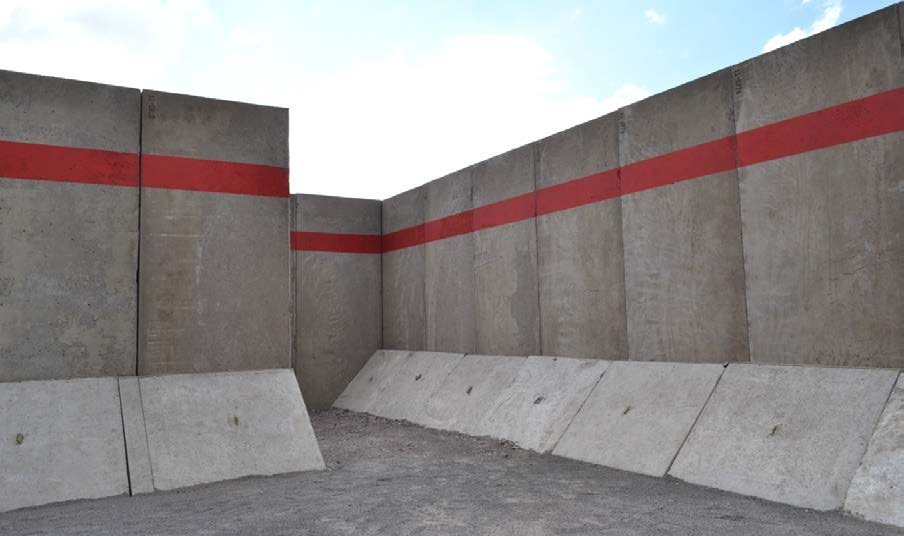
Intro: Claims are easy. Independent testing at a federal proving ground is not. Amidon Ballistic Concrete (ABC) went through a side-by-side comparative evaluation against SACON (Shock-Absorbing Concrete), the U.S. Army Corps of Engineers’ own material for ballistic training construction — conducted by the U.S. Army Aberdeen Test Center on behalf of the U.S. Marine Corps. Here’s what that program found.
Citing a government test report is not an endorsement. No U.S. Government agency endorses commercial products, and this reference does not imply approval by the U.S. Army, the U.S. Marine Corps or the Department of Defense.
Why SACON Was the Benchmark
SACON has been a standard reference point for ballistic-safe training construction for years. Being measured against it in a formal government test program isn’t a marketing comparison Amidon invented; it’s a comparison against the standard the industry itself uses.
Independent, Not Self-Reported
The Aberdeen results sit alongside independent testing from two separate outside labs: GHD for lead leaching, and BLUEline Contracting for compressive strength and ballistic penetration. ABC is engineered to capture rounds rather than deflect them, and at standard density it absorbs 9mm, 5.56mm and 7.62mm rounds at 15 degrees obliquity or greater, and 9mm and .50 caliber rounds at 30 degrees obliquity or greater.
Why This Matters for Buyers
For an agency or training command evaluating a live-fire facility, the material behind the walls isn’t a detail — it’s the whole safety case. A federal proving ground test result, cross-checked by independent labs, is the kind of evidence that holds up under procurement-level scrutiny, not just a sales conversation.
What the Aberdeen Program Found
Selected results from the comparative test program, provided to Amidon for reference:
- 4/4
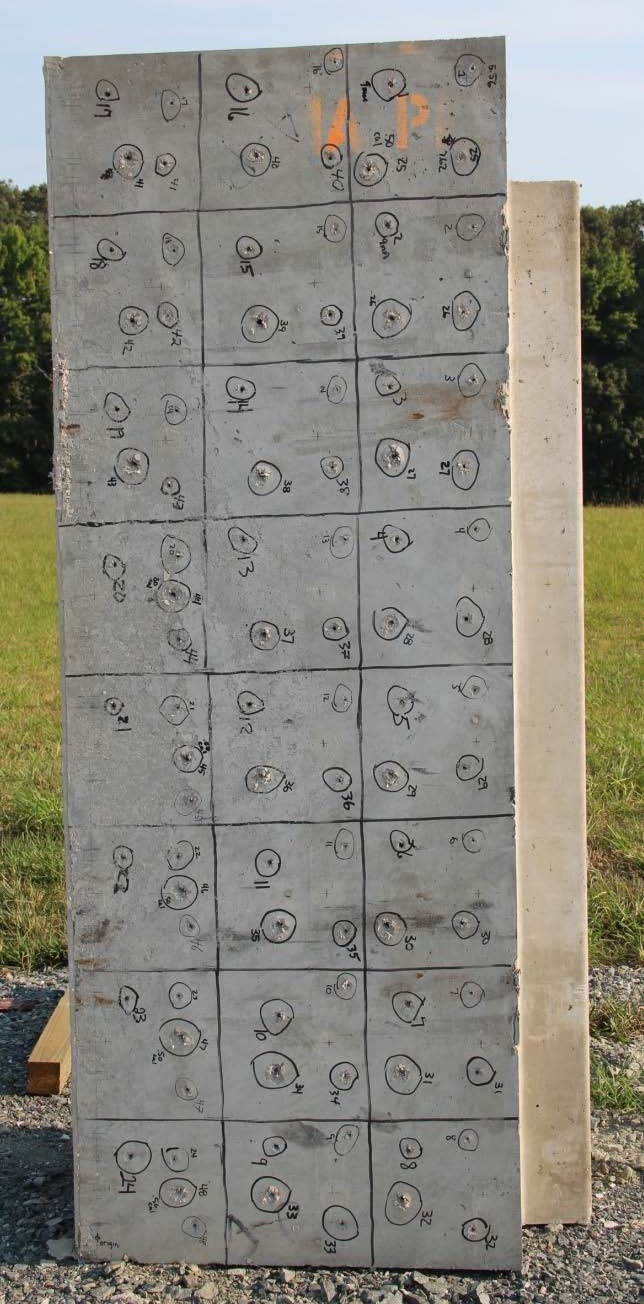
ABC wall panels met the depth-of-penetration criteria for all four standard-duty threats evaluated — 9mm, 5.56mm, 7.62mm, and .50-caliber — the same criteria applied to the government-standard material in the same program.
- 1,923 psi
Average compressive strength of cores pulled from ABC wall panels, roughly 38% higher than the paired SACON cores tested in the same program (1,390 psi average).
- +
ABC’s repair patches outlasted the comparison patches in sustained-fire durability testing, holding up through more rounds before reaching the maintenance action point.
- Passed
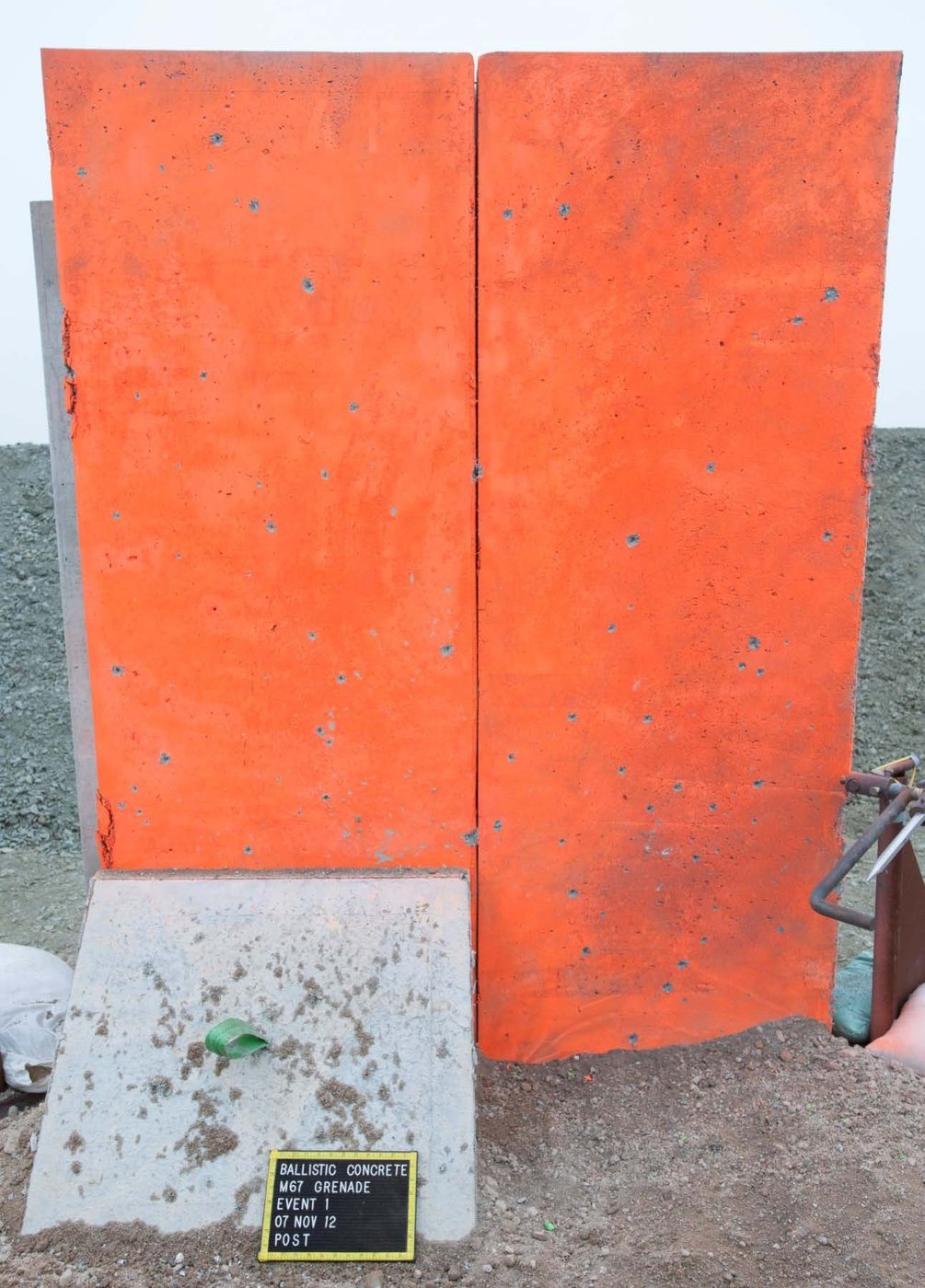
ABC met the test criterion for blast and fragmentation resistance against a direct M67 fragmentation grenade at a 5-foot standoff.
See the full Aberdeen Tested testing record
This article covers select results from the Aberdeen comparison. For the full testing record and how it fits alongside Amidon's other independent lab results, see the Aberdeen Tested page.
View Aberdeen Tested →Recent Posts